
PEPTIDES PARTNERS BLOG · November 11, 2026
The Research Science of Vitamin B12: Lipotropic Mechanisms and Laboratory Investigation
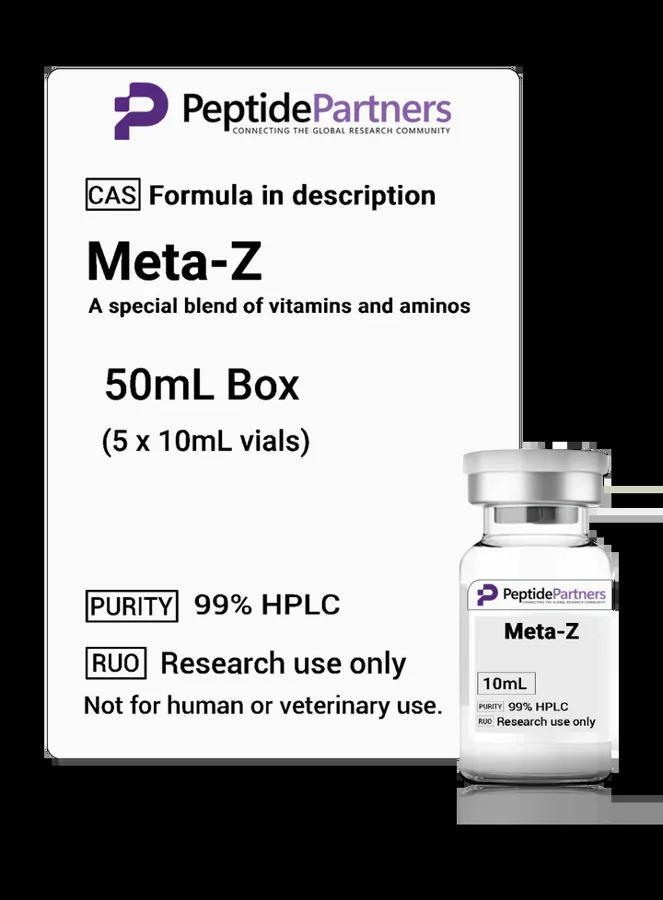
Vitamin B12, chemically designated as cobalamin, represents one of the most structurally intricate micronutrients investigated in modern biochemistry. Classified within metabolic and lipotropic research catalogs, cobalamin functions as an essential organometallic cofactor that facilitates fundamental cellular processes, including one-carbon transfer reactions, mitochondrial fatty acid catabolism, and genomic stability. In preclinical and in vitro research environments, investigators frequently evaluate B12 alongside traditional lipotropic agents to elucidate the complex pathways that govern cellular methylation and hepatic lipid transport. This overview explores the historical background, molecular mechanisms, and analytical sourcing considerations that define contemporary laboratory inquiry into vitamin B12.
Historical Milestones in Cobalamin Discovery
The scientific elucidation of vitamin B12 spanned several decades of mid-twentieth-century physiology and structural chemistry. Initial interest emerged in the 1920s when researchers identified an unknown nutritional factor present in mammalian liver tissue capable of reversing experimental hematological deficiencies. Termed “extrinsic factor” by physiologist William Castle, the active substance remained elusive due to its low concentration in biological tissues.
The compound was independently isolated in crystalline form in 1948 by research teams in the United States and the United Kingdom. Subsequent structural resolution required advanced analytical methodologies; in 1956, Dorothy Crowfoot Hodgkin determined the three-dimensional crystallographic architecture of cobalamin using X-ray diffraction analysis. Hodgkin’s work revealed a unique corrin ring coordinating a central cobalt ion, representing the first identified biological organometallic compound containing a stable carbon-metal bond. This discovery provided the foundation for detailed biochemical studies into cobalamin-dependent enzymes across microbial and eukaryotic systems.
Molecular Architecture and Biochemical Forms
The basic structure of cobalamin consists of a planar, tetrapyrrolic corrin ring coordinating a central cobalt atom, flanked by a nucleotide loop and an exchangeable upper axial ligand. The identity of this upper ligand determines the specific derivative and its chemical stability in experimental protocols:
- Cyanocobalamin: Features a cyano group at the upper axial position. This synthetic derivative exhibits superior chemical stability under varying temperature and pH conditions, rendering it a common reference standard in biochemical quantification assays.
- Hydroxocobalamin: Features a hydroxyl ligand. It serves as an intermediate form and acts as a scavenger for reactive species in various chemical model systems.
- Methylcobalamin: An organometallic form possessing an upper methyl ligand. It functions as the direct cofactor for cytoplasmic methionine synthase.
- Adenosylcobalamin: A biological cofactor possessing a 5′-deoxyadenosyl moiety, utilized by mitochondrial mutases involved in branched-chain amino acid and odd-chain fatty acid metabolism.
Core Mechanisms in Laboratory Research
In mammalian cell cultures and animal models, researchers primarily focus on the two enzymatic pathways that strictly require cobalamin cofactors: methionine synthase and methylmalonyl-CoA mutase.
The Cytoplasmic Methionine Synthase Pathway
In the cytoplasm, methylcobalamin acts as an essential prosthetic group for the enzyme methionine synthase (MTR). This enzyme catalyzes the remethylation of homocysteine to generate methionine, simultaneously transferring a methyl group from 5-methyltetrahydrofolate. This step represents the critical molecular intersection linking the folate cycle with the methionine cycle. Methionine is subsequently adenylated to form S-adenosylmethionine (SAM), the primary biological methyl donor required for the methylation of DNA, RNA, histones, and phospholipids such as phosphatidylcholine.
The Mitochondrial Methylmalonyl-CoA Mutase Pathway
In the mitochondrial matrix, adenosylcobalamin serves as the cofactor for methylmalonyl-CoA mutase (MUT). This enzyme catalyzes the isomerization of L-methylmalonyl-CoA to succinyl-CoA, a vital intermediate in the tricarboxylic acid (TCA) cycle. This pathway is critical for the cellular catabolism of odd-chain fatty acids, cholesterol side chains, and ketogenic/glucogenic amino acids (valine, isoleucine, methionine, and threonine). In experimental models with impaired MUT activity, investigators observe an accumulation of methylmalonic acid and downstream disruptions in mitochondrial bioenergetics.
Lipotropic Interplay and Lipid Export
Vitamin B12 is frequently categorized in laboratory research alongside lipotropic compounds such as choline, inositol, and methionine. The term “lipotropic” refers to substances that participate in lipid metabolism, specifically facilitating the export and oxidation of lipids from hepatic tissue. Within research models evaluating hepatic steatosis and lipid storage, B12 contributes indirectly by sustaining SAM levels. Adequate SAM is required for the phosphatidylethanolamine N-methyltransferase (PEMT) pathway, which synthesizes phosphatidylcholine—a phospholipid required for the assembly and secretion of very-low-density lipoproteins (VLDL). Researchers often analyze the disruption of these pathways to understand intracellular lipid accumulation.
Comparison of Investigated Cobalamin Forms
| Form | Axial Ligand | Cellular Localization | Primary Enzyme / Experimental Focus |
|---|---|---|---|
| Methylcobalamin | Methyl group (-CH3) | Cytoplasm | Methionine Synthase; DNA methylation, homocysteine assays |
| Adenosylcobalamin | 5′-Deoxyadenosyl group | Mitochondria | Methylmalonyl-CoA Mutase; lipid/amino acid catabolism |
| Cyanocobalamin | Cyano group (-CN) | Extracellular / In vitro stock | Analytical standardization, cellular uptake kinetics |
| Hydroxocobalamin | Hydroxyl group (-OH) | Intracellular intermediate | Nitric oxide interaction studies, cyanide scavenger models |
Current Preclinical and In Vitro Research Avenues
Modern experimental investigations into vitamin B12 center on its systemic regulatory functions across several domains of cellular biology:
- Epigenetic Regulation: Because cobalamin availability directly dictates the SAM-to-SAH ratio, researchers evaluate how fluctuations in B12 modulate global DNA methylation patterns and histone modifications in embryonic and oncological cell models.
- Neuronal Cell Integrity: Preclinical investigations study the role of cobalamin in maintaining structural lipid components of cellular membranes, notably within microglial and Schwann cell assays, focusing on neuroinflammatory markers and myelin basic protein expression.
- Mitochondrial Stress Models: Researchers utilize cobalamin depletion or antagonist models to induce metabolic stress, studying compensatory mechanisms related to succinyl-CoA depletion, oxidative stress markers, and altered mitochondrial respiration rates.
Sourcing Cobalamin and Lipotropic Reagents from Peptides Partners
When selecting laboratory reagents for metabolic, cellular, or lipotropic research protocols, sourcing consistency is paramount. Experimental repeatability depends directly upon analytical precision and well-documented chemical characterization.
Researchers sourcing through Peptides Partners must evaluate specific technical criteria to ensure that raw materials align with experimental parameters:
- Analytical Verification: Research materials must be supported by analytical documentation, including High-Performance Liquid Chromatography (HPLC) for chemical purity and Mass Spectrometry (MS) for structural identity verification.
- Packaging and Vial Configurations: Reagents designed for laboratory applications are typically provided in sealed, inert glass vials to protect light-sensitive cobalt compounds from photolytic degradation. Multi-vial packs allow investigators to rehydrate or solubilize only the quantity required for a discrete experimental series, preventing repeated freeze-thaw cycles that can alter substrate stability.
- Reconstitution and Solvent Compatibility: Technical documentation should specify acceptable analytical solvents, solubility limits, and optimal storage parameters (e.g., storage at -20°C in light-shielded desiccators) to preserve reagent integrity over extended research timelines.
All compounds available through Peptides Partners are distributed strictly for laboratory research, in vitro investigation, and analytical testing purposes. By ensuring comprehensive analytical documentation, researchers can isolate variables accurately and generate reliable, reproducible data in metabolic and lipotropic sciences.
Where to buy B12 for research
Peptides Partners lists B12 (Methylcobalamin) 10mL vials in 1 pack sizes, all in stock, with price per mg shown for each option. Browse more lipotropic compounds in the Peptides Partners research peptide shop. All products are for laboratory research use only.